Lesson 1 of 10
The Call: From Overwhelm to One Simple Thing
What you will learn
- 1Explain why focusing on one living thing turns worry into agency.
- 2Name the four stages of the arc: awe, discernment, intention, gratitude.
- 3Describe what an Intention Selection Facilitator does and does not do.
Dr. Dalton's talk
Reading
Why One Thing
Most people who worry about the living world are not short on concern. They are short on a place to put it. In 2017 the American Psychological Association described eco-anxiety as a chronic fear of environmental doom. In 2021 a survey published in The Lancet Planetary Health asked 10,000 young people in ten countries how they felt about the changing climate. Fifty-nine percent said they were very or extremely worried, and forty-five percent said those feelings affected their daily lives.
One Simple Thing starts from a clear position about that worry. It is not a disorder. It is a reasonable response from someone who is paying attention. The difficulty is what happens next. When a problem feels as large as the whole planet, an ordinary person cannot find the handle. The mind does what minds do with an impossible task: it looks away, or it scrolls, or it sinks. Worry without a next step becomes paralysis.
The practice you are learning to guide offers a handle small enough to hold. Instead of everything, choose one living thing. It might be an animal, a bird, an insect, a plant, a stretch of river, a whole ecosystem, or a single issue that affects living things. Then walk an arc with it. That arc has four stages, and this course is built on them.
Awe. You notice what moves you. Awe is the feeling that stops you and widens your attention. One Simple Thing treats that feeling as information: it shows where your attention belongs.
Discernment. You learn the truth about your thing. That means looking inward, at your own blind spots, and outward, at evidence you can trust. It also means recognizing distraction and falsehood when you meet them online.
Intention. You decide, freely, what you will do. An intention in this practice is a gift you choose to give. It is not a debt, a punishment, or a test.
Gratitude. You give thanks for the chance to witness your thing, to learn about it, and to help protect and restore it. Gratitude is what keeps the practice going after the first excitement fades.
Where this comes from
The arc is not a slogan. It grew out of Dr. Dalton's doctoral research at Pacifica Graduate Institute, completed in 2024. His question was how the ideas of depth psychology, the tradition founded by the Swiss psychiatrist Carl Gustav Jung (1875 to 1961), could help people move toward a balanced relationship with the rest of life on Earth, and find contentment in a purposeful life while doing it.
Three findings from that research shape everything in this course.
First, information alone rarely moves people. What moves them is an experience: a moment of awe or wonder in the presence of something alive. The dissertation concludes that awe, wonder, gratitude, empathy and the perception of beauty are the most effective inspirations for restoring balance with the living world.
Second, the story we tell matters. The dissertation argues that the time for dwelling in distress has passed, and that the challenges we face are also an opportunity to live with purpose. A message built only on fear leaves people hopeless. A message that pairs honesty with possibility invites them in.
Third, change begins in individuals. Jung insisted on this. The great events of history, he wrote, begin in the private lives of individual people, and he summed it up in five words: "We make our own epoch." Dr. Dalton's dissertation takes that seriously. If one person's relationship with one living thing changes, something real has changed, and it can spread.
Eco-optimism is a practice
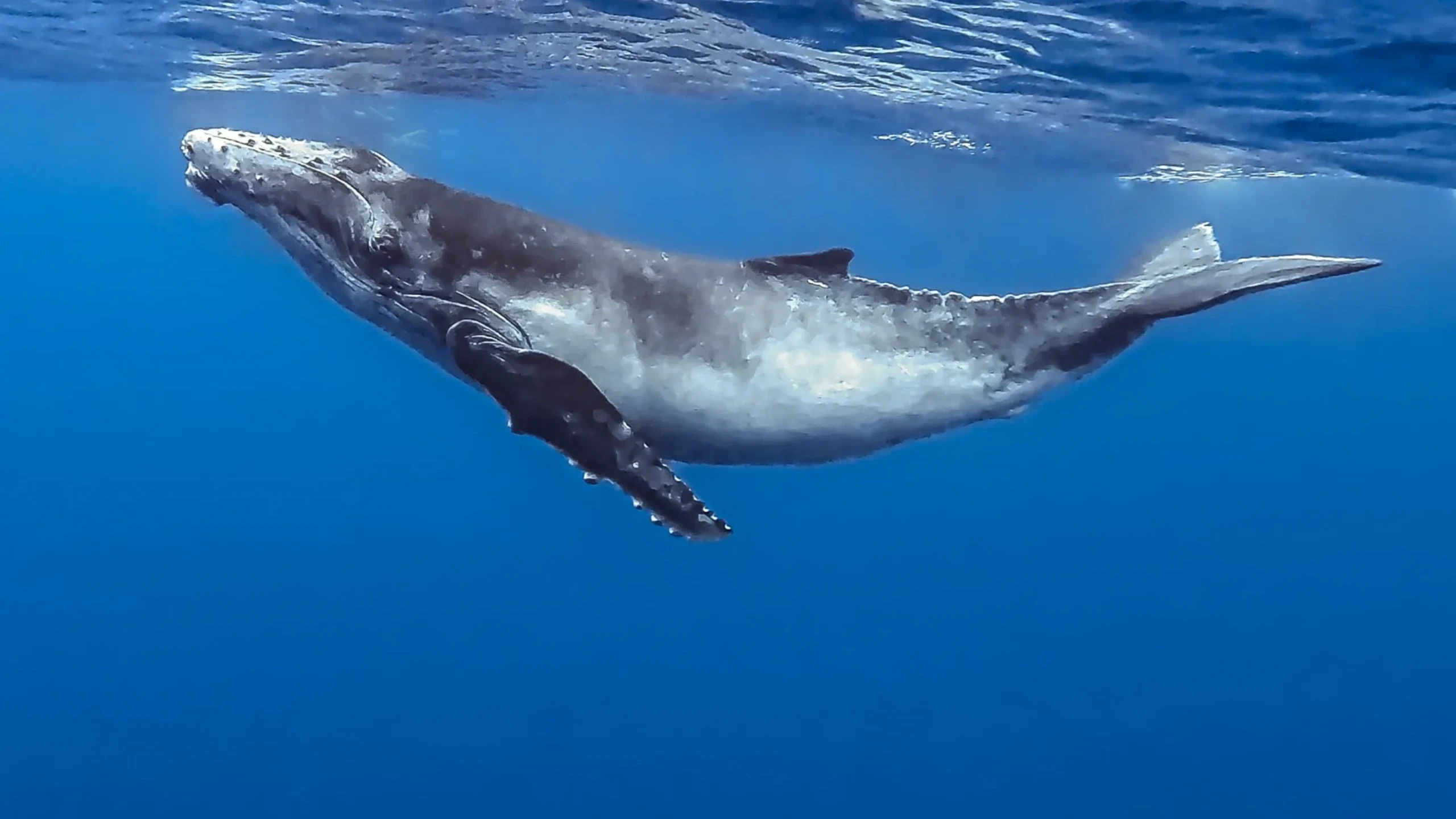
One Simple Thing describes itself as built on eco-optimism. That word needs care. It does not mean pretending things are fine. It means a disciplined orientation toward possibility, backed by evidence that recovery happens. The ozone layer is healing after nations agreed in 1987 to phase out the chemicals that damaged it. The North Pacific humpback whale, hunted down to fewer than a thousand animals by 1966, now numbers roughly twenty-one thousand. Rivers that once caught fire now hold fish again. Optimism of this kind is not a mood. It is a strategy, and it is a precondition for effort, because nobody works for an outcome they believe is impossible.
What a facilitator does
An Intention Selection Facilitator guides another person through the arc. That is the whole job, and it is a meaningful one.
You help someone slow down long enough to notice what moves them. You help them find reliable things to read. You explain what an intention is and help them set one they can keep. You help them close with gratitude. Then you step back.
There are things a facilitator does not do. You do not choose anyone's thing for them. You do not argue politics. You do not frighten people into caring, and you do not shame them for how they have lived. You are not a therapist, and if someone is in real distress you listen kindly and help them find a trusted adult or a professional. You are closer to a trail guide than a teacher with a red pen: you know the path because you have walked it yourself.
That last point is the heart of your credibility. Over the next ten weeks you will walk the arc with a thing of your own. This week your only task is to notice. Each day, pay attention to one living thing for a minute or two and write down what you saw. Do not rush to choose. The right thing has a way of making itself known. If you chose your thing before this course, keep it, and spend the week noticing as if you had not. You will see it more clearly for having looked around.
Key terms
- Eco-anxiety: a chronic fear of environmental doom; a reasonable response to a real concern, not a disorder.
- Eco-optimism: a disciplined orientation toward possibility, grounded in evidence of recovery.
- The arc: awe, discernment, intention, gratitude.
- Depth psychology: the study of the unconscious and its influence on how we live, founded in large part on Jung's work.
Recommended reading
- Active Hope: How to Face the Mess We're in with Unexpected Resilience and Creative Power, by Joanna Macy and Chris Johnstone (2012; revised 2022). A practical guide to moving from overwhelm to participation. It begins, as this course ends, with gratitude.
- The Book of Hope: A Survival Guide for Trying Times, by Jane Goodall and Douglas Abrams (2021). A lifetime field scientist explains why hope is a discipline and gives her reasons for it.
Practice this week
Notice one living thing each day. Write down what you noticed. If you are new, do not choose your thing yet. If you already have one, set it aside for the week and simply notice.
Ready to test your understanding?
10 questions — you need 8 or more correct to pass.